
ऐप डाउनलोड करें
Bridge Navigation & Deck Operations

Navigation Fundamentals Knowledge

This test covers key aspects of navigation, including the fundamentals of orientation, determining directions at sea, working with compasses, courses and bearings, as well as units of length measurement, ship speed, and the principles of their calculation.

प्रश्न 15
समय सीमा 9 min
भाषा अंग्रेज़ी

नमूना प्रश्न

यहाँ इस क्विज़ के कुछ उदाहरण प्रश्न हैं। पूरा टेस्ट देने के लिए GYRO ऐप डाउनलोड करें।

प्रश्न 1

What is a true bearing?

A A dihedral angle formed between the northern part of the true meridian plane and the plane passing through the observer's position and the observed object.
B The angle between the forward part of the vessel's centerline plane and the direction to the observed object.
C A direction perpendicular to the vessel's centerline plane.

प्रश्न 2

What is the main difference between relative and absolute logs?

A A relative log does not account for drift, while an absolute log measures distance relative to the seabed.
B A relative log is more accurate and reliable compared to an absolute log.
C The antennas of a relative log do not extend beyond the ship’s hull, allowing their use in ice navigation.

प्रश्न 3

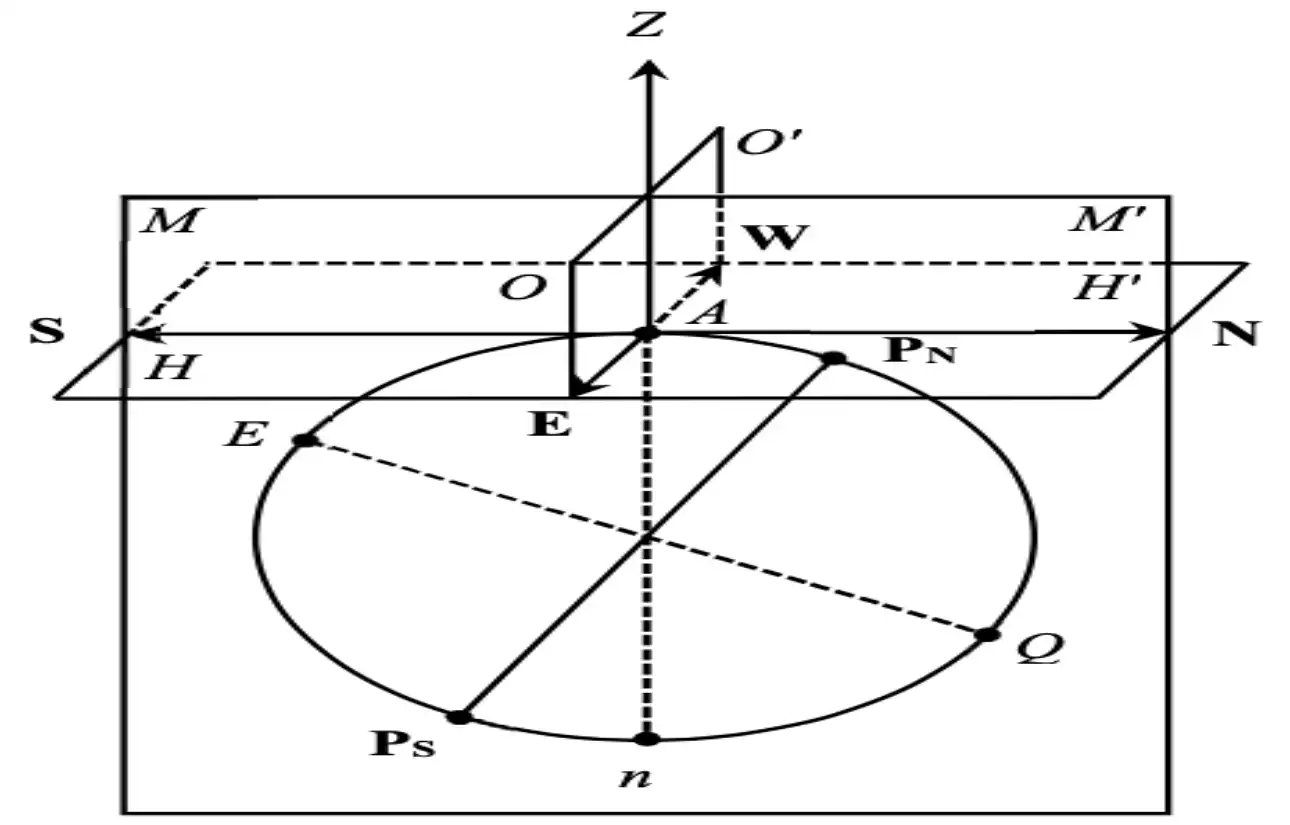
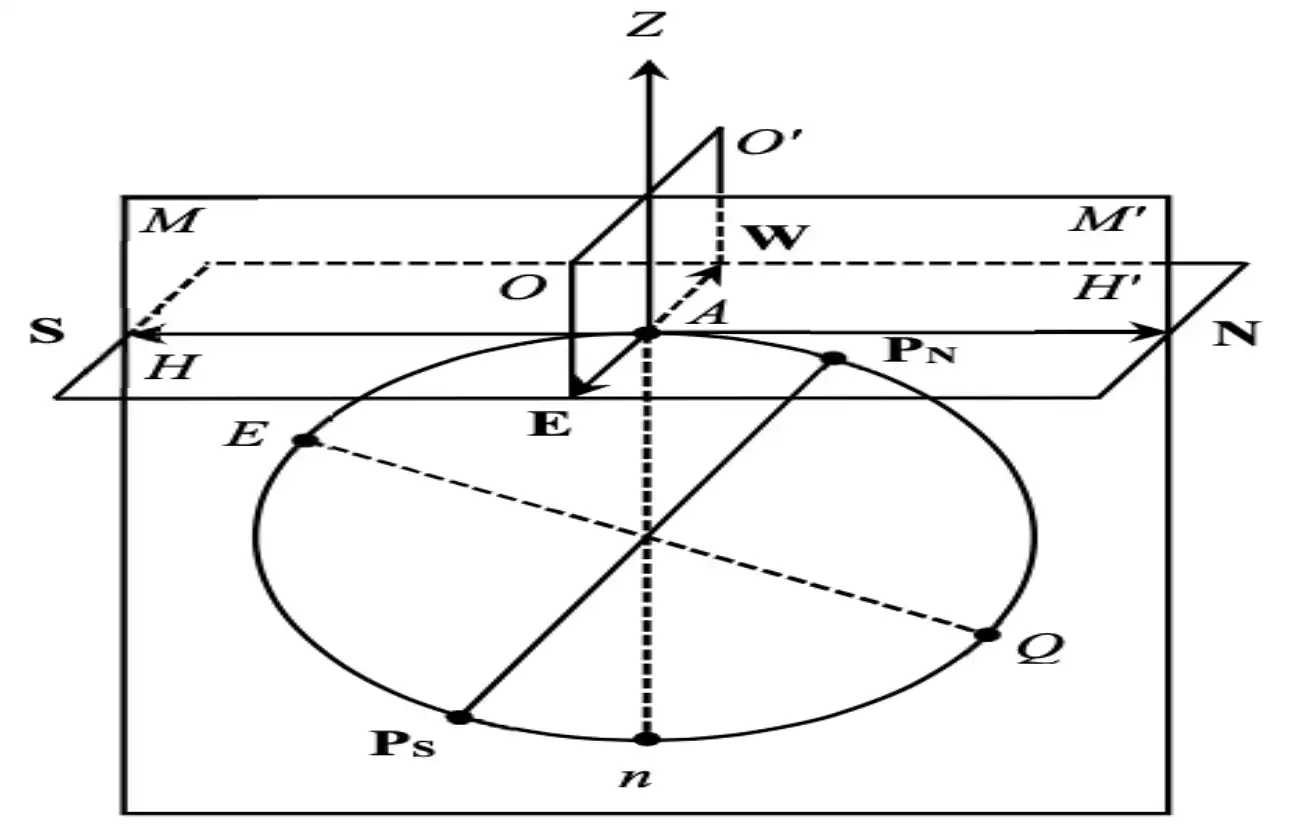
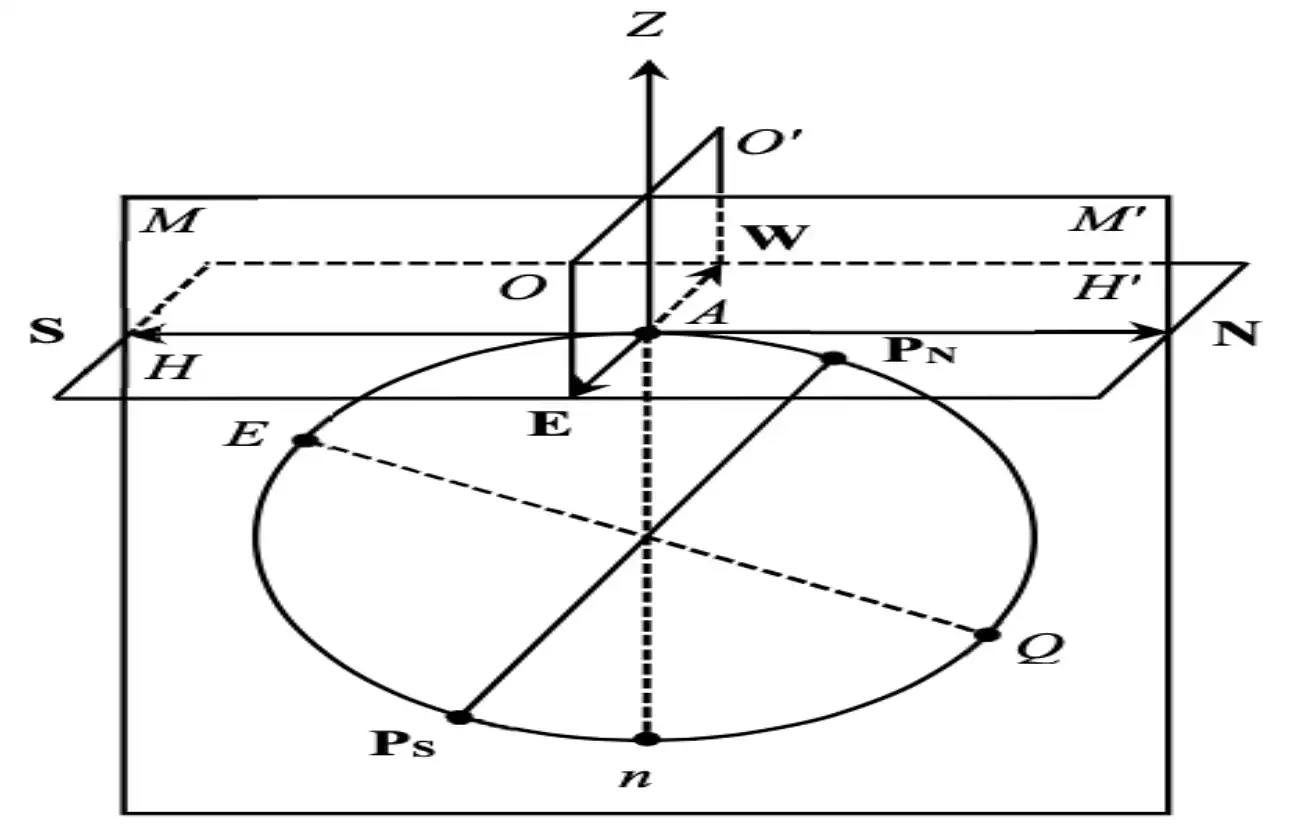
What is the ray AE, indicating the observer's direction to the east (Fig. 1), called?

A Eastern part of the prime vertical line.
B Prime vertical line.
C Western part of the prime vertical line.
D Observer's prime vertical plane.

प्रश्न 4

What is the horizontal plane NN′, passing through the observer's eye (Fig.), called?

A Observer's true horizon plane.
B Horizontal plane.
C Vertical plane.
D Observer's true meridian plane.

प्रश्न 5

What is any plane passing through the plumb line (Fig.) called?
A Vertical plane.
B Horizontal plane.
C Observer's true horizon plane.
D Observer's true meridian plane.