
I-download ang App
Container Vessel Deck Competence

Chief Officer Competency

This test is designed to assess the knowledge and skills required of a Chief Officer on container vessels. It covers ballast operations, dangerous goods safety (IMDG), ship stability, and the organization of cargo handling.

Mga Tanong 18
Time Limit 9 min
Wika Ingles

Mga Sample na Tanong

Narito ang ilang halimbawang tanong mula sa quiz na ito. I-download ang GYRO app upang kunin ang buong pagsusulit.

Tanong 1
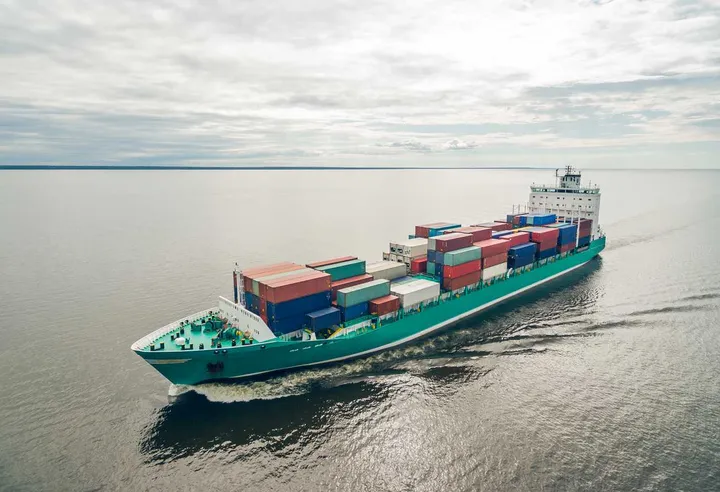
What are the most common and frequent damages for container vessels during cargo operations?

A Safety railings, deck, cell guides.
B Navigational bridge and superstructure.
C Overboard ship’s hull.
D Mooring equipment and anchor winches.

Tanong 2

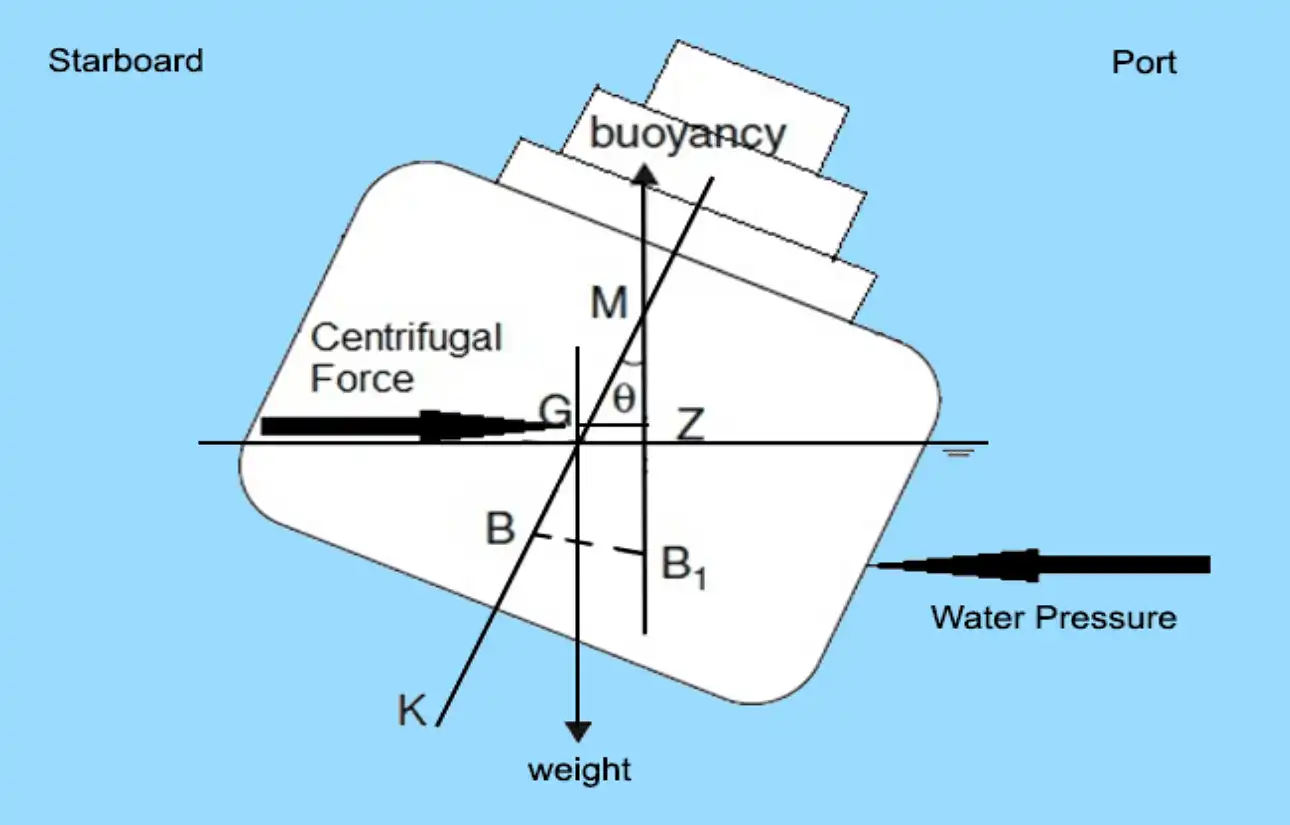
What is an issuing authority for trim and stability booklet?

A RO.
B Flag.
C Type approval.
D Company approval.

Tanong 3

The vessel was tasked with transporting 130 reefers with only 45 operational sockets. The auxiliary engines have sufficient power. What safety measures should be taken for the cargo and crew?

A Request splitters/extensions. Inform ER in advance. Fire watch to reefer sockets 4 by 8.
B Complete refusal. Call PSC onboard for detention.
C Inform Chief Engineer, they have to follow up as its their scope of responsibility.
D Advise planner to use other vessel for such competition.

Tanong 4

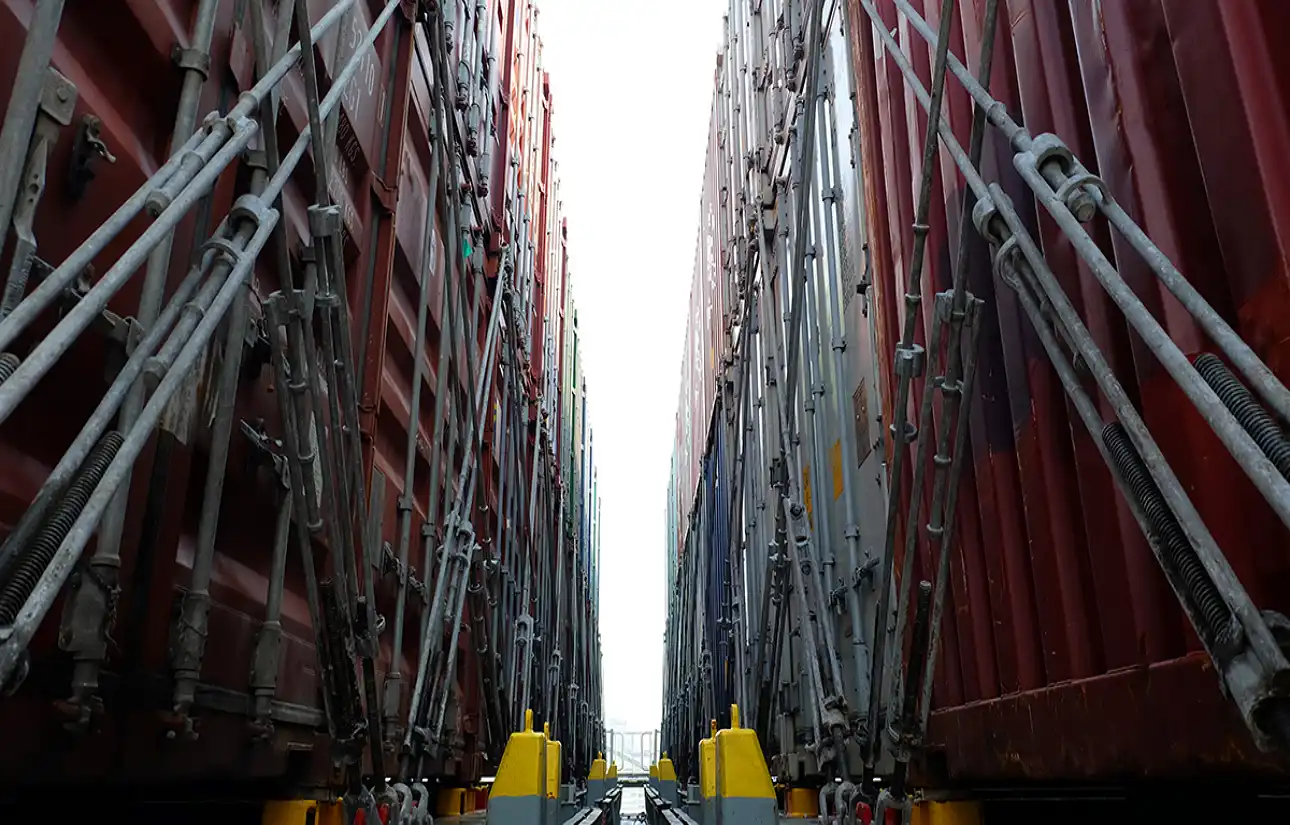
The lashing calculation was incorrect, and a shortage of bottom twistlocks was discovered during loading. Is it permissible to use stacking cones for a single voyage?

A Without locked bottom twistlocks on deck lashing forces are insufficient.
B It prevents shifting, so absolutely acceptable until new equipment will be received.
C It is sufficient for a short voyage after issuing a letter of indemnity.
D Follow up if master and owner allow to perform so.

Tanong 5

In case if you perform BW exchange a.p. D1 standard, what are required parameters to follow?

A Vessel underway, min.50 nm from shore base line, minimum 200 meters.
B Vessel underway, min.5 nm from shore base line, minimum 20 meters.
C Vessel at anchor, min.12 nm from shore base line, minimum 240 meters.
D Vessel at drifting, min.30 nm from shore base line, minimum 50 meters.