
I-download ang App
Oil Tanker Competence

Tank Cleaning – Principles & Operations

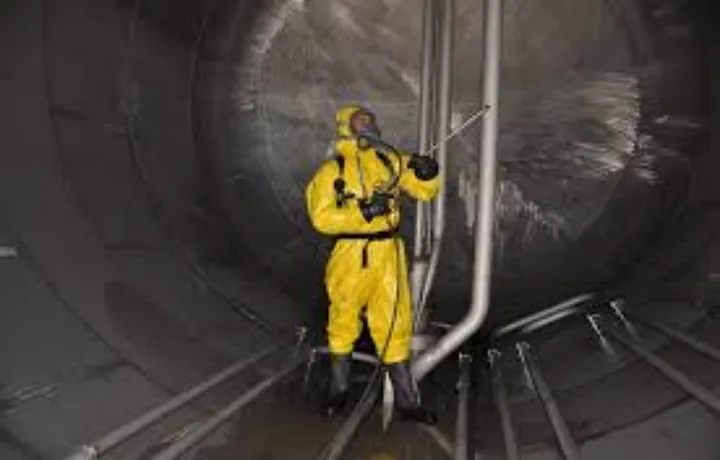
A test covering the fundamentals of cargo tank cleaning using tank cleaning machines. It includes cleaning principles, temperature regimes, pressure, the use of cleaning chemicals, cleanliness standards, and basic safety requirements. Suitable for cadets and junior officers.

Mga Tanong 18
Time Limit 9 min
Wika Ingles

Mga Sample na Tanong

Narito ang ilang halimbawang tanong mula sa quiz na ito. I-download ang GYRO app upang kunin ang buong pagsusulit.

Tanong 1
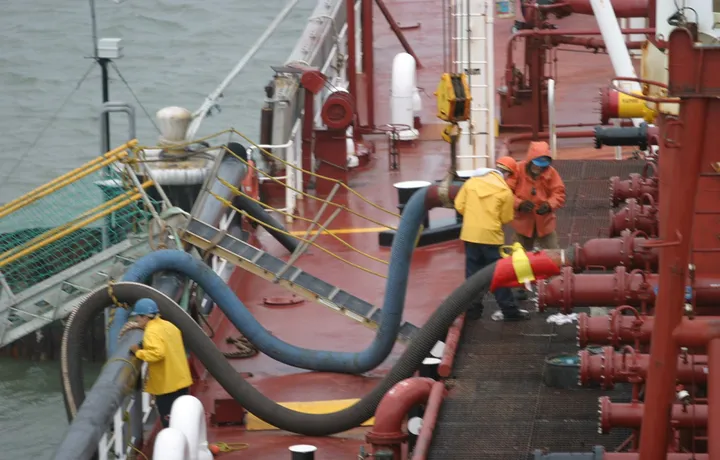
Following basic stages will lead to a potential electrostatic hazard.

A Charge separation, charge accumulation and electrostatic discharge.
B Charge separation and electrostatic discharge.
C Charge separation, charge neutralization, electrostatic discharge.
D Two different materials rubbing against each other.

Tanong 2

The viscosity of a liquid depends on the:

A Temperature of the liquid.
B Acid value of the liquid.
C Flash point of the liquid.
D Vapour pressure of the liquid.

Tanong 3

What is the pour point?

A The lowest temperature at which a liquid will flow.
B The lowest temeprature where it is possible to remove the product by ventilation.
C The lowest temperature at which the product can be ignited.
D The lowest temperature where the product can give off vapour.

Tanong 4

You have decided to add tank cleaning chemicals to the tank cleaning water. You are washing in a noninert atmosphere. What will you do?

A Start cleaning with the chemical using hot water.
B Ensure that tank cleaning chemicals are only used if the temperature of the wash water is below 60 degrees Celsius.
C Ensure that the oxygen content of the tank is below 11 %.
D It is not allowed to use tank cleaning chemicals on board a non-inerted ship.

Tanong 5

You are discharging Fuel Oil with a Specific Gravity of 0,85 direct to the sea. What will you expect to happen?

A The oil will float.
B The oil will be diluted by the sea water.
C The oil will evaporate.
D The oil will sink.