
ऐप डाउनलोड करें
Engine Department Competence

Medium Speed Engine – Management Level (Senior Engineer)

Advanced CES test for engineers in charge of propulsion plants with four-stroke medium-speed engines and auxiliary systems. Covers performance optimization, generator management, automation, vibration control, and emergency response.

प्रश्न 60
समय सीमा 59 min
भाषा अंग्रेज़ी

नमूना प्रश्न

यहाँ इस क्विज़ के कुछ उदाहरण प्रश्न हैं। पूरा टेस्ट देने के लिए GYRO ऐप डाउनलोड करें।

प्रश्न 1
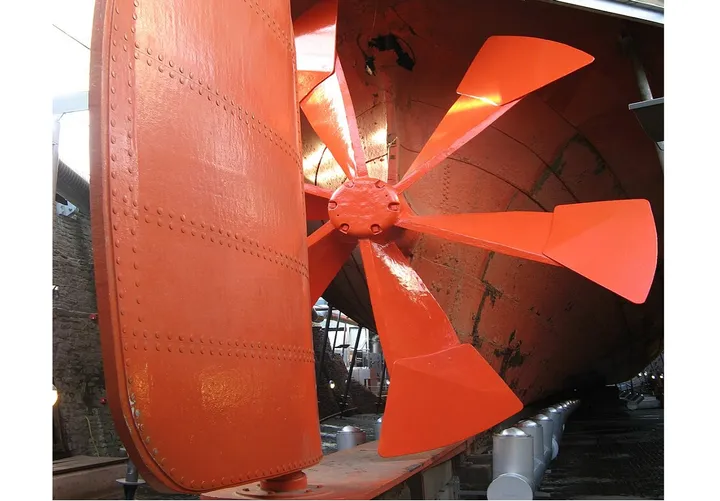
What is meant by saying that a vessel hull is directionally unstable?

A When the rudder is kept amidships, the ship will continue on a straight course.
B It has been intentionally created with the centre of underwater pressure aft of amidships.
C The ship will only require small amounts of helm to maintain its course when stearing in a heavy seaway.
D When free running it will shear to one side or the other if not controlled.

प्रश्न 2

Which of the options best describes how a "Balanced Rudder" is constructed?

A The rudder has an additional flap attached to the trailing edge to improve rudder efficiency.
B Part of the rudder area is forward of the turning axis, therefore reducing the load on the steering motor.
C There is equal rudder area forward and aft of the turning axis, the turning axis being at the geometrical centre of the rudder area.
D The rudder is operated by two steering motors providing equal amounts of power to the rudder.

प्रश्न 3

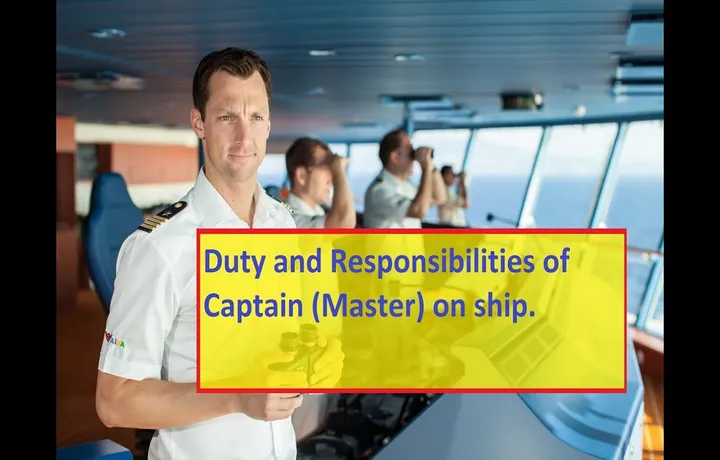
It is the Master's responsibility to ensure that:

A concerned personnel carry out the on-board traing progamme effectively.
B safety equipment is not used during the training.
C All information reagrding the onboard training is given to the ship manager.
D All personnel participate in the training at the same time.

प्रश्न 4

One particular group of hazardous goods that is highlighted by the IMDG Code as potentially being the most dangerous for carriage is:

A Liquefied gases.
B Infectious substances.
C Toxic substances.
D Organic peroxides.

प्रश्न 5

As per MARPOL, the contents of lines and pumps on a crude oil tanker at completion of discharge must be:
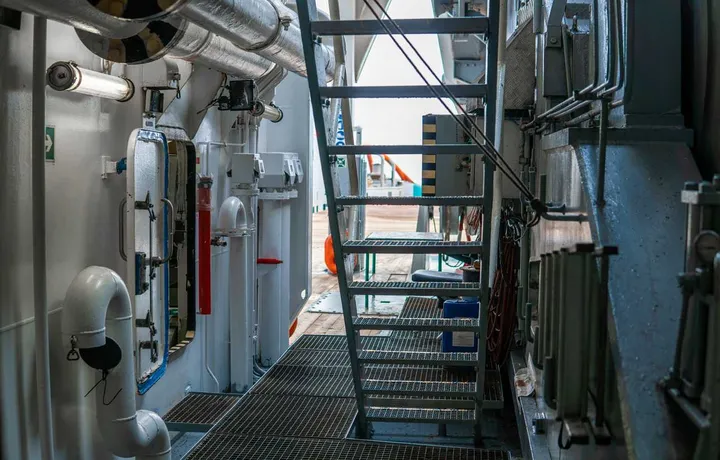
A Drained and then pumped either ashore, or to a cargo tank or slop tank on board.
B Discharged ashore or retained on board as per the pre-discharge agreement made between the ship and shore.
C Drained directly (and only) to shore.
D Cleared to shore by the use of compressed air.