

Ship Steering Gear – Operation and Safety
This test covers the basic principles of ship steering gear operation, SOLAS requirements, hydraulic steering systems, and common steering gear faults. Designed for deck cadets and junior officers, it helps reinforce essential knowledge required for safe ship maneuvering and bridge operations.
नमूना प्रश्न
यहाँ इस क्विज़ के कुछ उदाहरण प्रश्न हैं। पूरा टेस्ट देने के लिए GYRO ऐप डाउनलोड करें।
प्रश्न 1
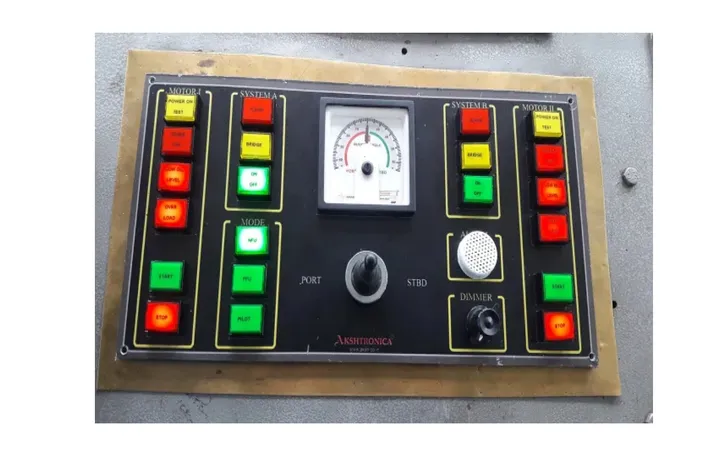
Where a steering gear is fitted with oil leak detection what would be the first alarm in the event of loss of oil?
प्रश्न 2

What is the most likely cause of the hydraulic lock alarm occurring on a steering gear system?
प्रश्न 3

For an electro-hydraulic steering gear, if the stand by pump fails to start following a failure of the running pump, which one of the following best describes the likely cause?
प्रश्न 4
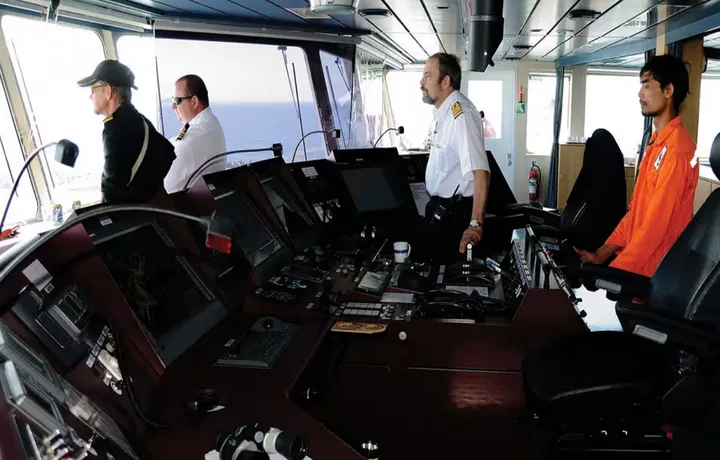
Which one of the phrase given in the options most accurately completes the following statement? The ships steering gear must normally be checked and tested by the ship’s crew:
प्रश्न 5

What types of valves are actuated in order to move the rudder when local steering is being carried out?
