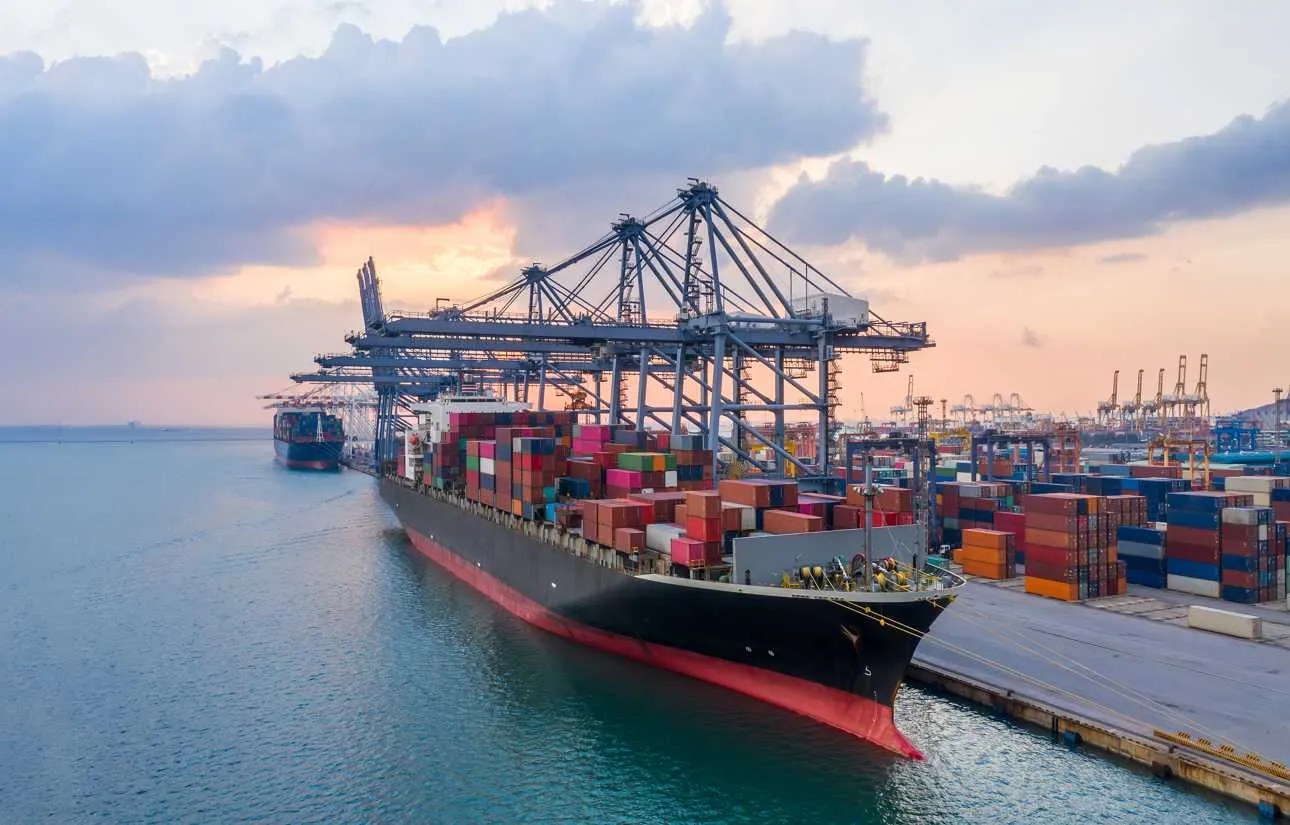

Management Level (Senior Officers).
This CES test is designed for senior deck officers and chief officers on container vessels. It focuses on advanced cargo management, stability calculations, coordination of container operations in ports, compliance with international regulations (SOLAS, MARPOL, IMDG), crew management, and safety leadership. The aim is to assess management-level competence required for the safe and efficient operation of container ships.
Приклади питань
Ось кілька прикладів питань з цього тесту. Завантажте додаток GYRO, щоб пройти повний тест.
Питання 1
Where on the hull is the theoretical position of the hydrodynamic pivot point, when going ahead and turning?
Питання 2
How often are "abandon ship" drills required on cargo vessels according to SOLAS?
Питання 3
For how long should a COSPAS-SARSAT EPIRB operate on its batteries?
Питання 4
The OPA-90 notification requirement is:
Питання 5
Poster or signs shall be provided on or in the vicinity of survival craft and their launching controls. Which one of the following requirements has to be included?