
I-download ang App
Bridge Navigation & Deck Operations

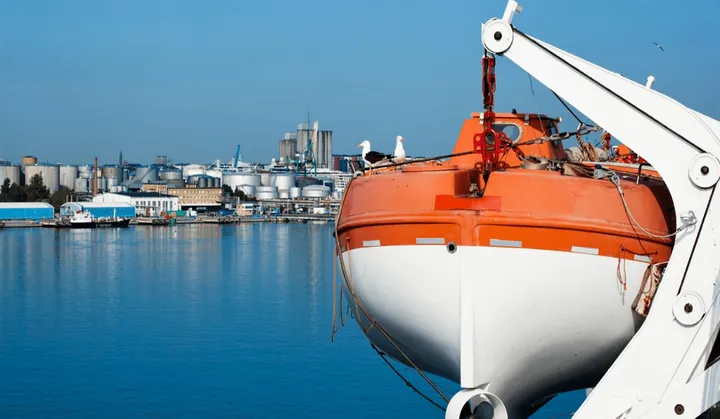
Lifeboat Safety: Release Mechanism & Procedures

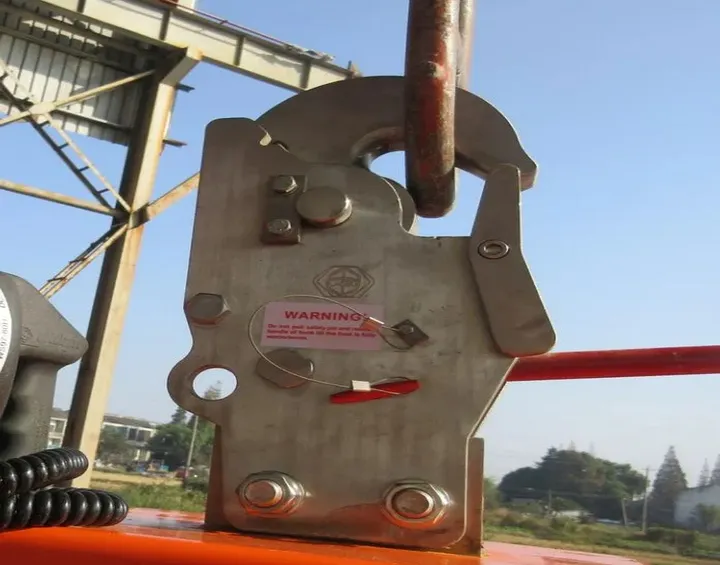
This test focuses on the lifeboat release mechanism (LRM), particularly FASSMER systems widely used on modern vessels. It covers SOLAS and LSA Code requirements, inspection routines, maintenance procedures, and safe launching operations.

Mga Tanong 18
Time Limit 9 min
Wika Ingles

Mga Sample na Tanong

Narito ang ilang halimbawang tanong mula sa quiz na ito. I-download ang GYRO app upang kunin ang buong pagsusulit.

Tanong 1
Which two factors from the list below are commonly held to be most critical in ensuring the safe and successful release of a lifeboat?
A The cost of the lifeboat.
B The working condition of the launching equipment, as determined by the standard of maintenance on that equipment.
C The efficiency of the crew in operating the launching equipment, as established and maintained by the regime of training on board.
D The standard of illustrations and other diagrams relating to the lifeboat release mechanism as displayed in the vessel’s SOLAS Training Manual.

Tanong 2

Which of the following is a correct statement?

A While resetting the release mechanism, it is essential to confirm visually that all personnel are clear of the lifeboat.
B While resetting the release mechanism, it is essential to confirm that the D-shaped cam pin and the remote release handle are in the correct positions.
C While re-stowing the lifeboat, it is essential that the coxswain is seated at the forward control position.
D While launching the lifeboat, it is essential to confirm that the D-shaped cam pin has not released.

Tanong 3

The legislation relating to life-saving equipment on board a merchant vessel is found in which two of the following regulations?

A MARPOL.
B SOLAS.
C The Ship Safety Manual.
D The International Life Saving Appliances Code.

Tanong 4

An “on-load release mechanism” is defined as one that is designed:

A To be released at any time from any height.
B To be operated when the boat is hanging in the falls at an approximate height of 2-3 metres above the water.
C To be operated when the boat has been lowered and is waterborne, whether or not a load is being applied to it by the action of the ship or the sea.
D To be released when the load applied to them is removed – that is, when the boat has been lowered and is waterborne.

Tanong 5

The two main components of this release mechanism are:

A The hooks.
B The securing gripes.
C The remote release handle.
D The falls.