
ऐप डाउनलोड करें
Container Vessel Deck Competence

Operational Level (Junior Officers).

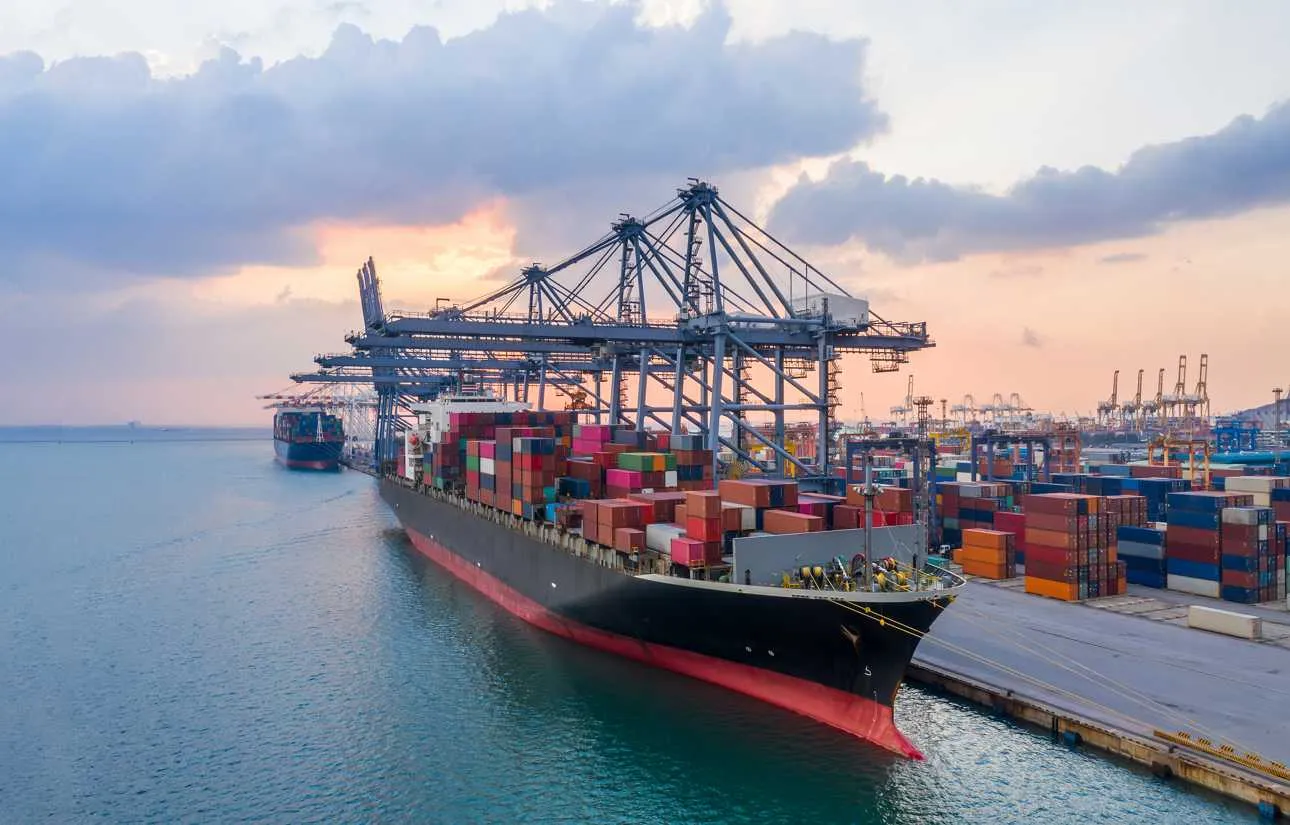
This CES test targets junior deck officers serving on container vessels. It covers navigation watchkeeping, cargo planning and securing, ballasting operations, application of IMDG Code requirements, and emergency response. The test verifies operational competence and decision-making at the officer level.

प्रश्न 60
समय सीमा 59 min
भाषा अंग्रेज़ी

नमूना प्रश्न

यहाँ इस क्विज़ के कुछ उदाहरण प्रश्न हैं। पूरा टेस्ट देने के लिए GYRO ऐप डाउनलोड करें।

प्रश्न 1

It is important that a compress is done correctly. One of the alternative signs, after completed compress bandage, shows that the bandage may be too tight. Which one?

A Swelling above the bandage.
B Heartbeat increase and a dizzy feeling.
C Swelling below the bandage and heavy pain.
D Blue colour of the skin above the bandage.

प्रश्न 2

Calcium Oxide, Magnetized Material, Sodium Aluminate and Battery Powered Equipment are:

A Required to be shipped in open top containers.
B Not subject to the provisions of the IMDG Code but may be subject to provisions governing the transport of dangerous goods by other modes.
C Listed as Corrosive Substances - IMDG Class 8.
D Not listed in the IMDG Code.

प्रश्न 3

What is the disadvantage of using chemicals on an oil-spill on the water?

A It is difficult to apply the chemicals if the oil drifts away from the ship's side.
B The water gets a white colour, which makes it easy to detect the oil-spill.
C The chemicals make it difficult to remove the oil from the water.
D It is difficult to apply chemicals if there is any wind.

प्रश्न 4

If the vessel is floating in water other than salt water having a specific gravity of 1.025 then:

A The vessel's GM must be corrected to the equivalent salt water draught prior to entering the KG curve.
B The vessel's KM must be corrected to the equivalent salt water draught prior to entering the KG curve.
C The vessel's draught must be corrected to the equivalent salt water draught prior to entering the KG curve.
D The vessel's GM must be corrected to the equivalent salt water draught prior to entering the KG curve.

प्रश्न 5

Twistlocks are preferred over cone-based lashing systems on container vessels because:

A Cone-based lashing systems are not type-approved by classification societies.
B Cargo securing manuals do not allow for cone-based lashing systems.
C Twistlocks provide uplift resistance as well as horizontal restraint, helping to prevent containers from falling overboard.
D Cone-based lashing systems are more prone to failure than twistlocks.