
Download App
Oil Tanker Competence

Enclosed Space Entry – Safety & Procedures

This test evaluates your understanding of hazards, regulations, risk assessment, safety precautions, and emergency procedures related to enclosed space entry. It covers IMO and SOLAS requirements, identification of risks, pre-entry assessments, use of personal protective equipment (PPE), atmospheric testing, ventilation, safety watch protocols, and emergency response procedures.

Questions 15
Time Limit 9 min
Language English

Sample Questions

Here are some example questions from this quiz. Download the GYRO app to take the full test.

Question 1
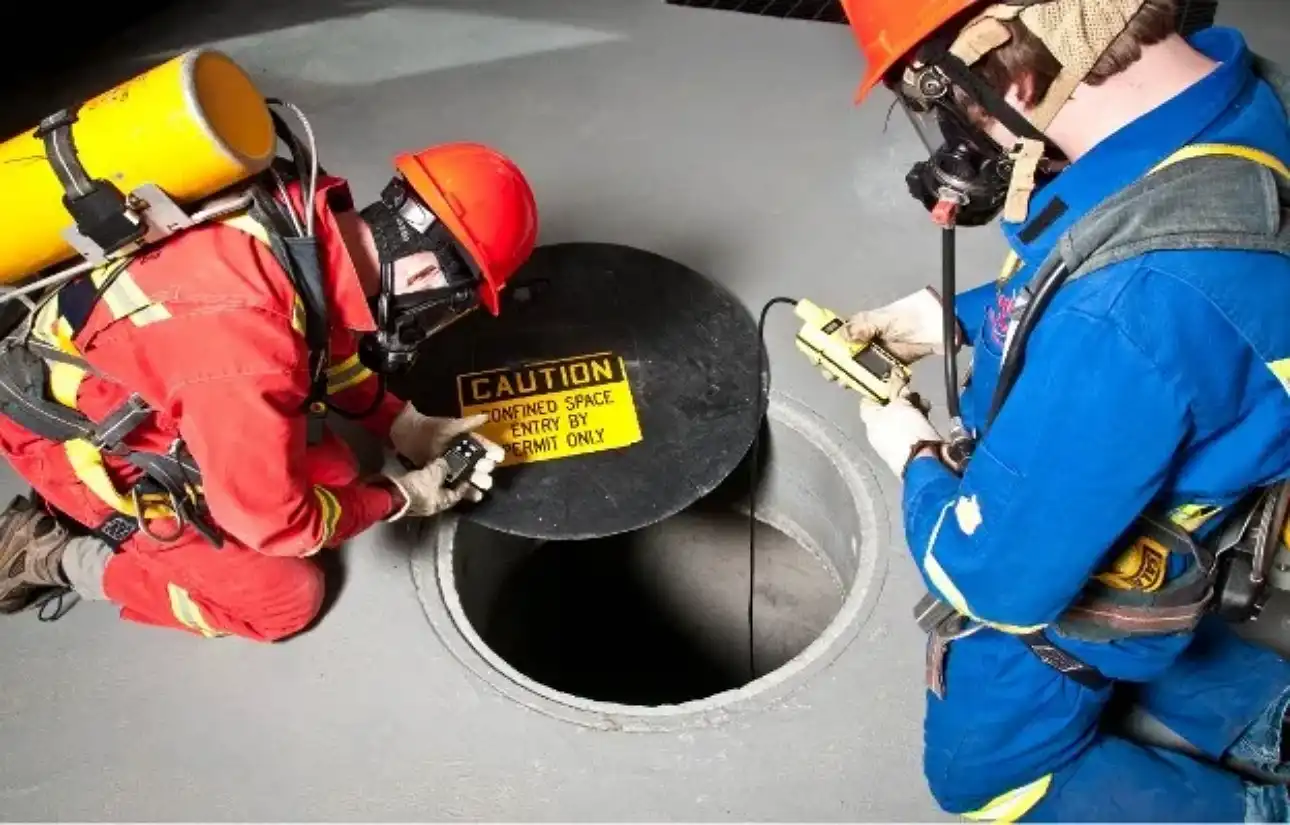
Which zones are classified as medium?

A Where hazardous gases or oxygen depletion is present continuously or for long periods of time and crew entry is unlikely under normal operating conditions.
B Where hazardous gases or oxygen depletion have potential to exist and crew entry is likely under normal operating conditions.
C Where hazardous gases or oxygen depletion have potential to exist and crew entry is most likely under normal operating conditions.
D Where hazardous gases or oxygen depletion are not likely to exist and crew entry may be likely or unlikely under normal operating conditions.

Question 2

Why do we need to know what previous cargoes in a cargo spaces before entering?

A Because we need to know which toxic substances may be present so that we can test for them.
B Because we need to know which oxygen depleting substances may be present so that we can test for them.
C Because we need to know which flammable substances may be present so that we can test for them.
D We don't provided we use a personal gas monitor.

Question 3

Which is the best answer during preparations for entry into enclosed space?

A They should be closed, locked out and tagged out.
B They should be closed.
C They should be opened to drain the contents of any connected lines.
D They should be checked for free movement and then left closed.

Question 4

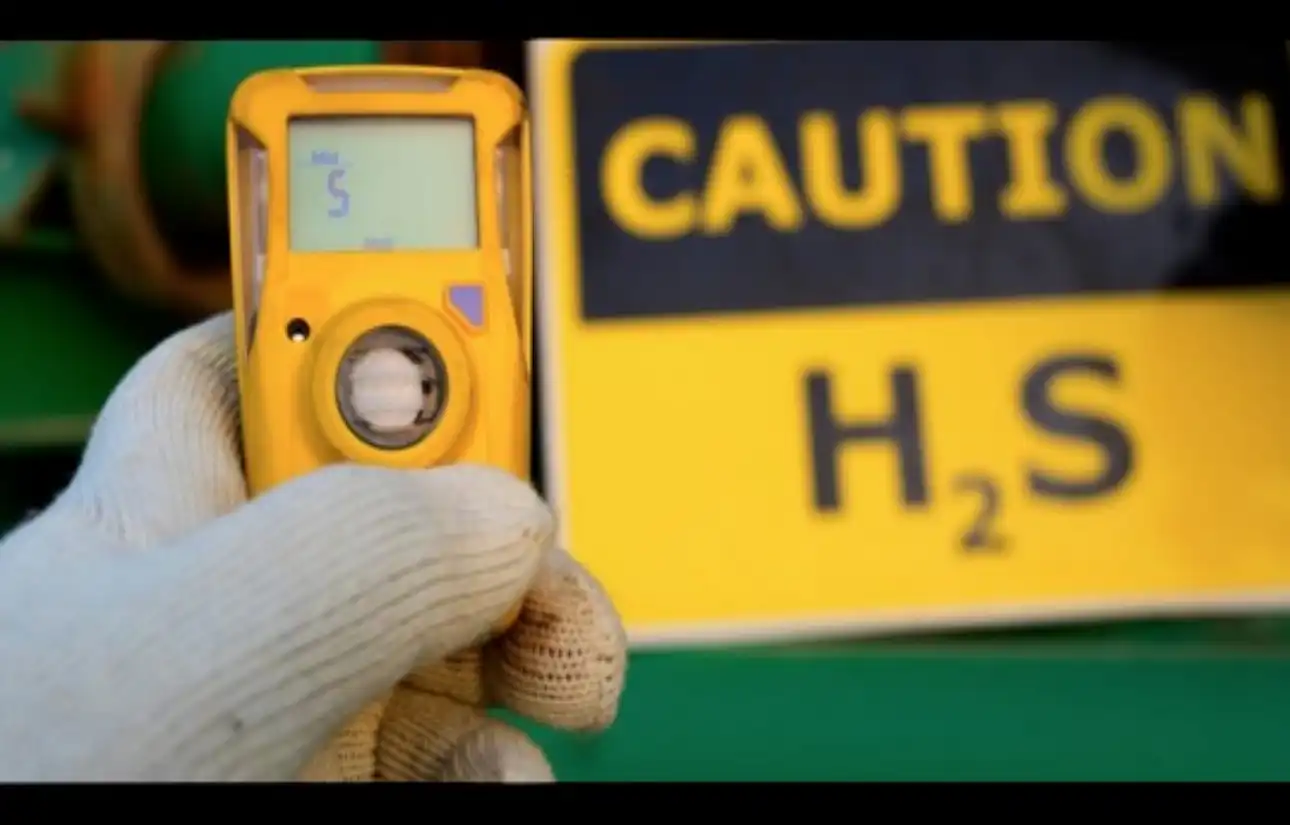
What types of gas detectors are commonly used before and during entry?

A Portable multi‑gas detector.
B Explosimeter.
C Tankscope.
D Air test tubes.

Question 5

Which are the minimum recommended IMO standards for full face (filter) piece for ships carrying liquids in bulk containing benzene when limits are exceeded during normal cargo handling operations?

A In areas where the airborne concentration of benzene vapours is expected to exceed 10 ppm but not more than 50 ppm.
B In areas where the airborne concentration of benzene vapours is expected to exceed 1 ppm but not more than 10 ppm.
C In areas where the airborne concentration of benzene vapours is expected to exceed 10 ppm but not more than 100 ppm.
D In areas where the airborne concentration of benzene vapours is expected to exceed 1 ppm but not more than 50 ppm.