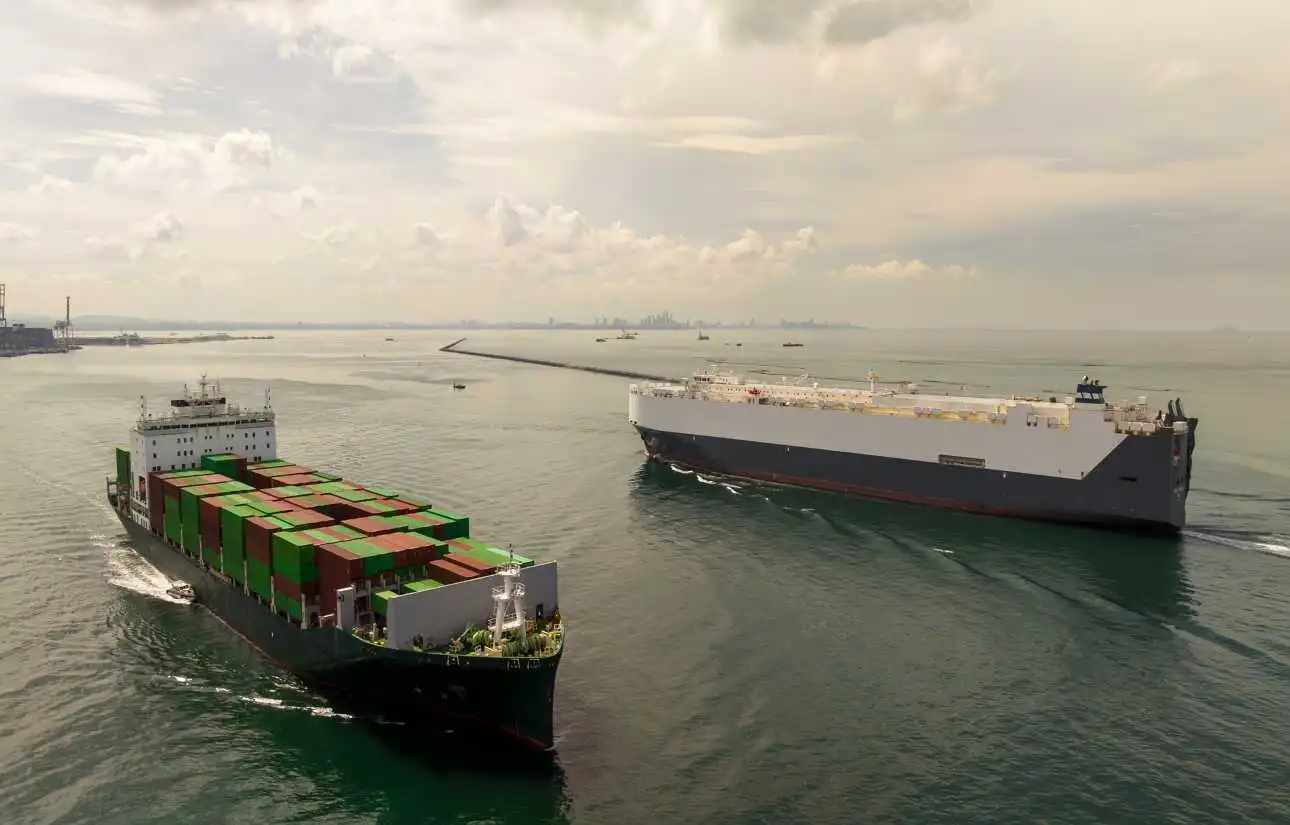

COLREG — Regulations for Preventing Collisions at Sea
This test assesses your basic understanding of the International Regulations for Preventing Collisions at Sea (COLREG). The focus is on general definitions, allocation of responsibilities between vessels, principles of safe navigation, and actions in different situations. Navigation lights and day shapes are not included in this module, as they are covered separately.
Sample Questions
Here are some example questions from this quiz. Download the GYRO app to take the full test.
Question 1
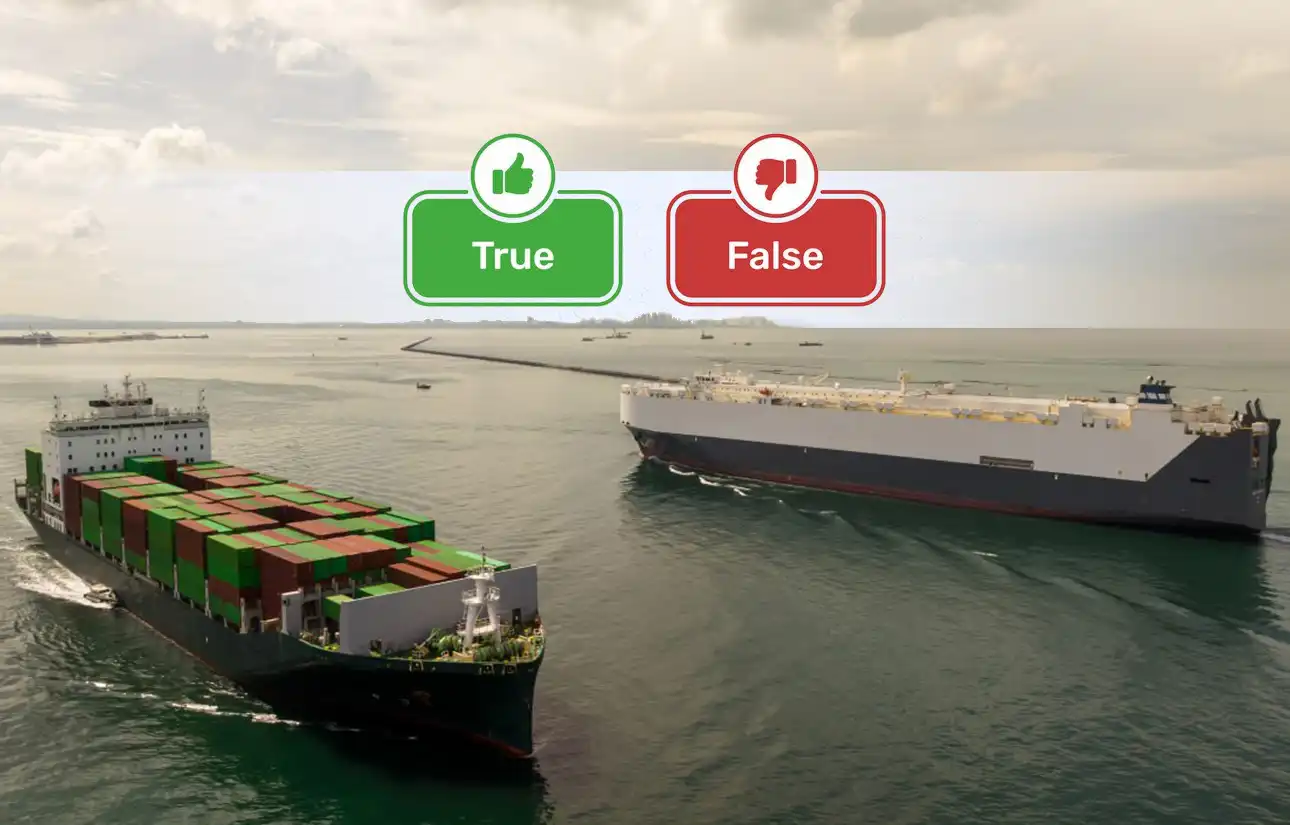
The give-way vessel should always avoid crossing ahead of the stand-on vessel.
Question 2
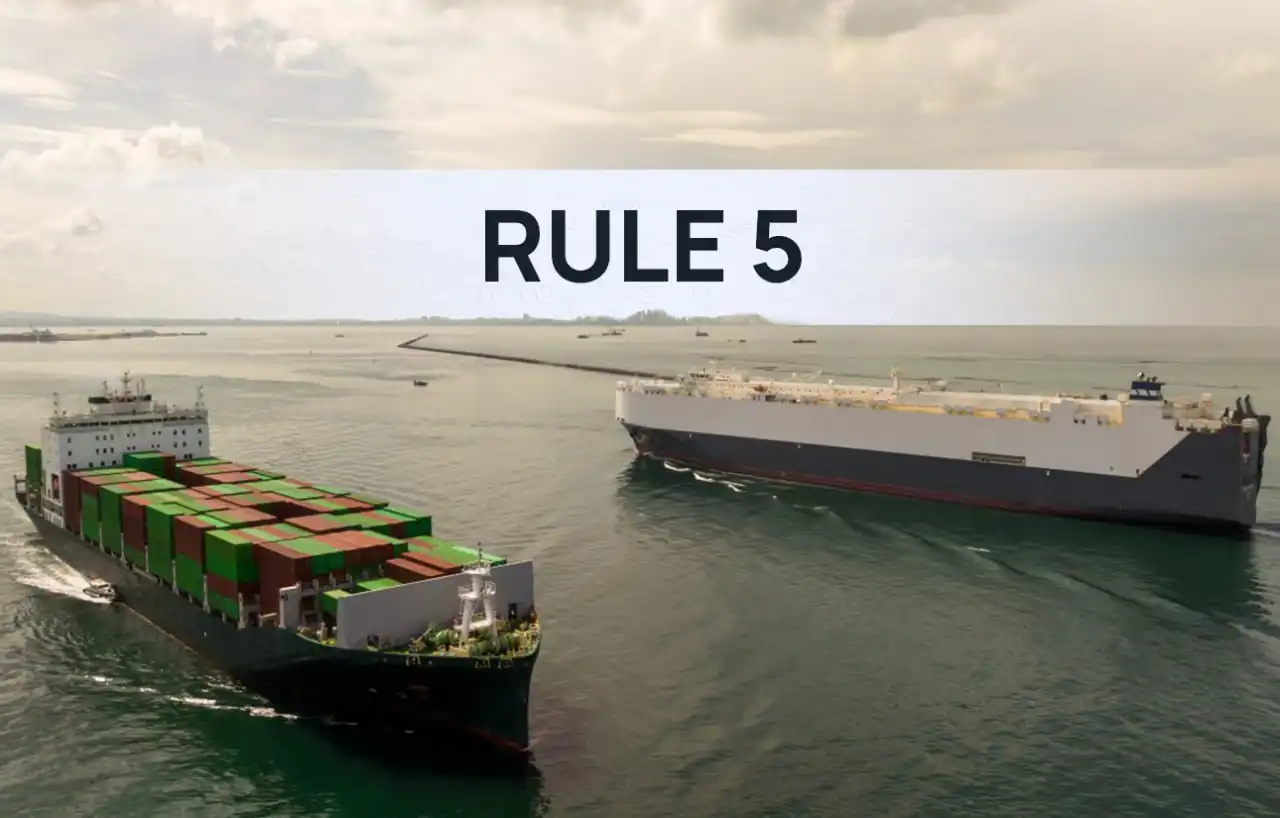
According to Rule 5, the purpose of maintaining a proper look-out is to:
Question 3
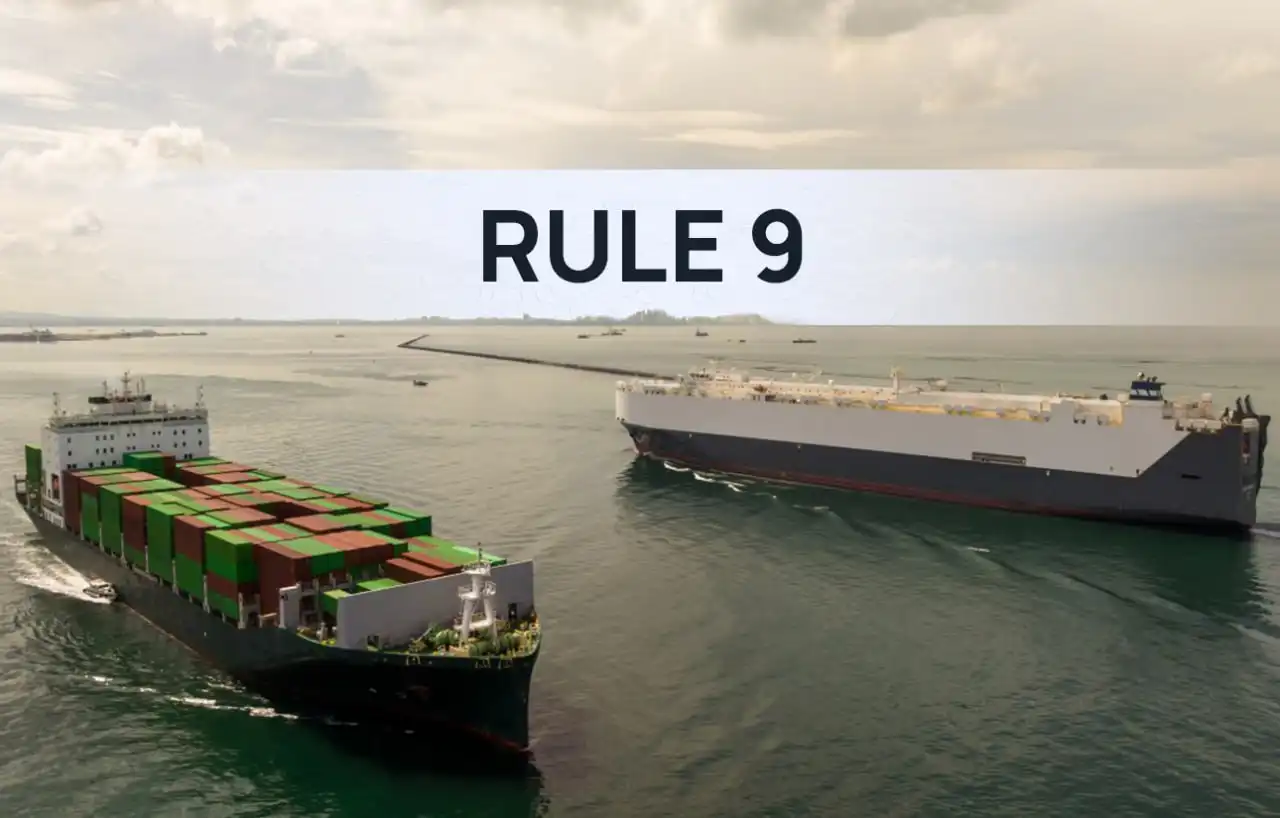
According to Rule 9, which of the following shall not impede vessels navigating within the channel?
Question 4
Fishing vessels may not impede the passage of any vessel following a traffic lane.
Question 5
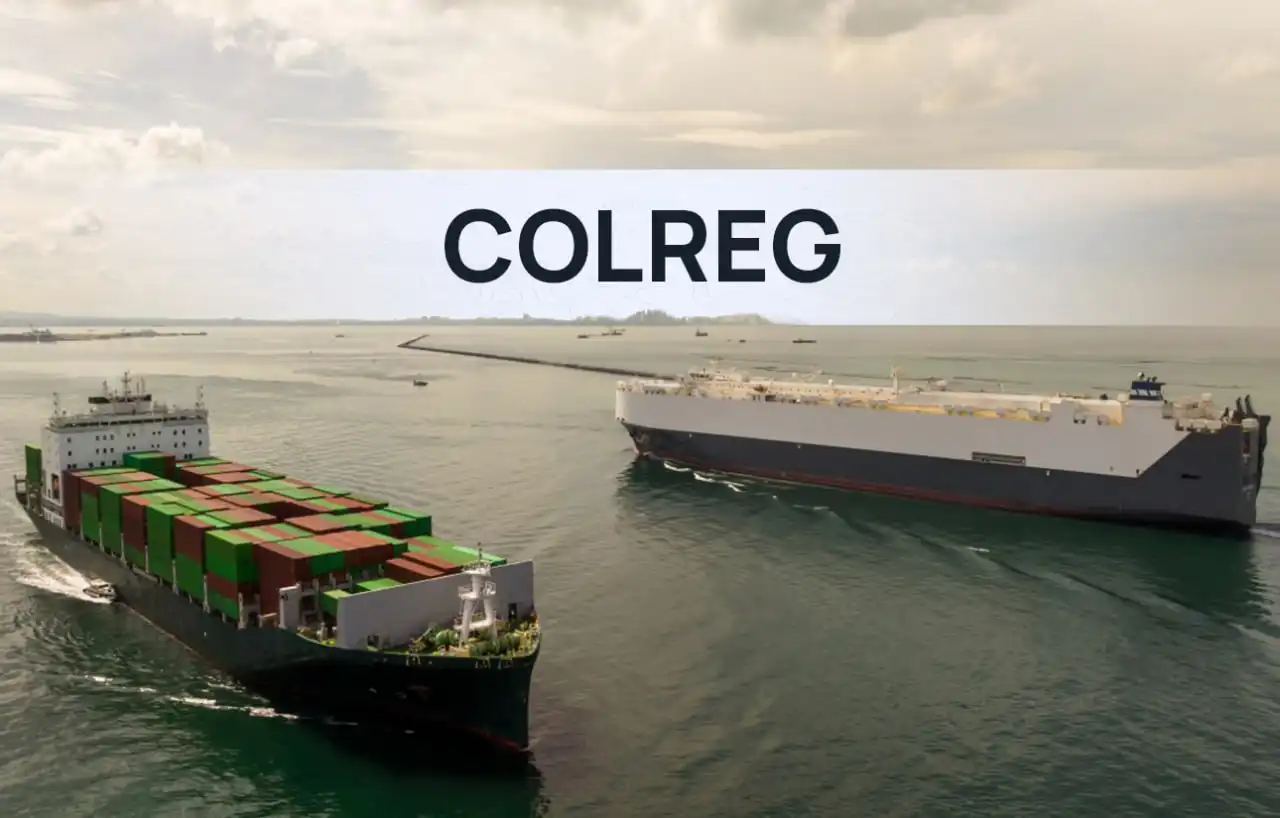
Two power-driven vessels are meeting nearly head-on. Vessel A alters course to port, Vessel B alters to starboard. What is the likely outcome?